
Gum Disease Treatment Midland
Protecting Your Gums for the Future

Gum disease is a common problem millions of adults in the United States suffer from every day. In fact, most of them don’t even realize they have it. What can start as gingivitis can quickly escalate into advanced periodontitis, which can lead to tooth and bone loss as well as serious health-related problems and conditions. At Boyles General Dentistry & Implant Center, our team wants to prevent this from happening to you, which is why we are pleased to offer gum disease treatment in Midland, TX. Using updated techniques and procedures with the latest in dental technology, we can treat your gum disease and have you see a healthier smile in no time. Contact us today to schedule your appointment.
Why Choose Boyles General Dentistry & Implant Center for Gum Disease Treatment?
- In-House Membership Plan Available for Uninsured Dental Patients
- Dentist Who Actively Engages in Patient Education
- Superior Digital Imaging to Ensure Precision & Accuracy
How Healthy Gums Lead to a Healthy Mouth & Body

Since gum (periodontal) disease is so prevalent, it’s important that you take measures to prevent it from occurring in the first place. When decay and disease plague your mouth, you are exposed to a greater risk of oral and overall health problems. Poor oral hygiene, consuming too much sugar and starch, smoking, and excessive alcohol consumption are some of the most common reasons why gum disease develops.
When this happens, you will notice your gums becoming red, inflamed, and maybe even bleeding when brushing and flossing. Only with proper treatment and care can you restore your gum health and prevent further reinfection.
The Connection Between Your Smile & Overall Health

Everything you consume must pass through your mouth and into your body, so when gum disease develops, it is only natural that problems will begin to occur throughout the rest of your body as a result. If the disease is caught in its early stage (gingivitis), regular dental checkups and cleanings and practicing good oral hygiene at home can actually reverse it, but if it worsens into periodontitis, you can face serious consequences.
Some of the ways gum disease can negatively impact your oral and overall health include:
- Increase inflammation and bleeding of the soft oral tissues (gums)
- Heart attack
- Stroke
- Diabetes
- High blood pressure
- Neurological conditions (Alzheimer’s, Dementia)
- Respiratory disease
- Cardiovascular disease
The reason for these health conditions is that the inflammation and infection caused by gum disease enter the bloodstream. Once it does, it can travel to various areas of the body and begin to break down and cause issues that can have devastating results.
Ways to Treat Gum Disease

If you’re concerned about whether or not gum disease is causing problems in your mouth, the best way to find out is to schedule an appointment with Dr. Stephen Boyles. He and our team can employ the use of various techniques to improve gum health and prevent reinfection.
Scaling & Root Planing

One of the most common methods of controlling gum disease is scaling and root planing. This procedure involves removing harmful plaque and tartar from beneath the gumline before smoothing out the tooth root to ensure proper reattachment of the gums to the teeth over time.
Depending on the severity of your gum disease, Dr. Boyles may need to perform this treatment several times every three to four months to effectively treat the problem.
Do I Need Scaling & Root Planing?
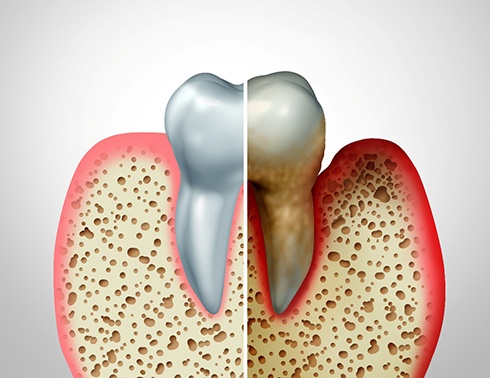
If you have reached the point where your gums have started to recede or pull away from your teeth, the process of scaling and root planing becomes necessary. At this stage, deep pockets of trapped bacteria and plaque form and will continue the infection, but scaling and root planing clear them out and give you a fresh start toward recovery while preserving your natural teeth.
Without this therapy, your gums and jawbone will no longer support your teeth, making them feel loose and unstable. After that point, it doesn’t take much for your teeth to come out completely. In other words, scaling and root planing are essential to save your teeth!
The Process of Scaling & Root Planing
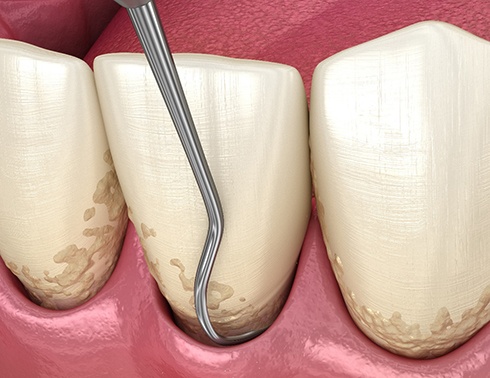
Scaling refers to the cleaning process at and below the gumline. Unlike regular cleanings, scaling typically takes longer, involves removing more plaque, and requires exposing tooth roots and pockets of hidden buildup. For more severe cases, local anesthetics may be used to keep you comfortable. After this step is finished, root planing enables us to prevent plaque from regathering by making rough root surfaces slick and smooth.
Aftercare Tips for Scaling & Root Planing

When you consider how much work will be done around your gums, you should expect to have some gum sensitivity following scaling and root planing. As a result, you’ll want to avoid hard or crunchy foods that could irritate your soft tissues. Typically, patients can return to a completely normal diet after a week, but if you want to keep gum disease from coming back, you should make sure you implement healthier habits into your lifestyle. These habits, which can make your gums look pink and strong, include a diet with less sugar, coming regularly for routine cleanings and checkups, daily brushing and flossing, drinking more water, and possibly using an antibacterial mouthwash we recommend.
Antibiotic Treatment for Gum Disease

It is also possible to receive antibiotic therapy in combination with scaling and root planing, as this will work to keep infection out and encourage healthy gum tissue. We may prescribe a course of doxycycline to help rid the last of the infection.