
Emergency Dentist Midland
Get Your Healthy, Pain-Free Smile Back Fast

When a dental emergency occurs, the first thing you may think about is panicking. It’s common to become frantic and wonder, “What do I do next?” But before you take steps that could actually make the situation worse, start by taking a deep breath and allowing your emergency dentist in Midland to take care of your needs. By calling Boyles General Dentistry & Implant Center, you can trust that our team will walk you through the steps you should take at home, all while working to schedule an appointment for you to see Dr. Boyles as soon as possible. Contact us today to schedule an emergency appointment.
Why Choose Boyles General Dentistry & Implant Center for Emergency Dentistry?
- Same-Day Emergency Appointments Available
- Advanced Dental Technology in a Modern Office
- Sedation Dentistry Offered for Anxious Patients
I Need a Checkup & Cleaning I Have a Cavity or Broken Tooth I am Missing One or More Teeth I Want to Enhance My Smile I am Scared of the Dentist I Have Jaw Pain I Am Worried About Sleep Apnea View Our Services
How We Treat Dental Emergencies

- Call us to make a same-day appointment: When you get in touch with our office, we’ll not only get you scheduled for a dental appointment, but we’ll also provide first-aid tips over the phone to help you manage your symptoms before you arrive. We’ll do whatever we can to get you seen the same day as well, especially if you call earlier in the day.
- Complete an emergency exam: After you get to our office, we’ll perform an emergency exam and determine if X-rays are needed to locate the source and extent of your dental emergency. We’ll also get you out of immediate pain if present.
- Reviewing your findings: Once the exam is complete, we’ll go over all findings with you directly, and then recommend a treatment plan from there. Regardless of the extent of your dental needs, you’ll always know your estimated costs in advance so you can make an informed decision on your future care.
-
Get the care you need: Whether you need a dental filling, crowns, root canal therapy, tooth extraction, or another service to resolve your dental emergency, Dr. Boyles will work quickly to get you the attention your smile needs.
The Most Common Dental Emergencies
We understand you may not actually know whether your particular situation needs immediate care or not. We consider the following circumstances to be true emergencies, and Dr. Boyles has the advanced skills needed to assist you with them. If you are experiencing any of the following, please get in touch with our office right away.
Understanding the Cost of Emergency Dentistry
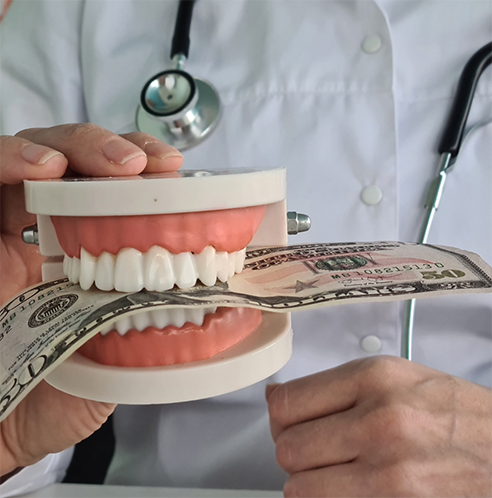
Amid a stressful (and potentially uncomfortable) dental injury, the only thing on your mind is going to be restoring your pain-free smile. However, understanding the cost of emergency dentistry in Midland can help make the entire process much more anxiety-free. While there is no flat fee for treatment, there are a few things that will play a role in the final cost across the board. Keep reading to learn what they are!
Every Dental Emergency is Different
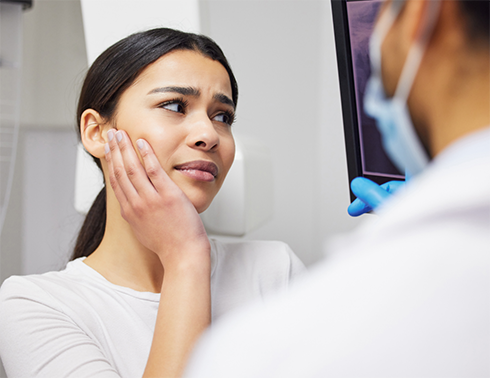
When researching the cost, it’s important to remember that a “dental emergency” can refer to many different things. For example, it could be a painful toothache that needs root canal therapy or a completely knocked-out tooth that needs to be replaced with a dental implant. As a result, there is no one-size-fits-all price – it’s determined entirely by what’s best for your oral health.
Does Dental Insurance Cover Dental Emergencies?
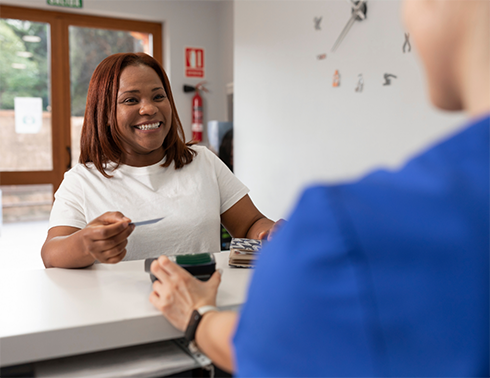
In many cases, yes! What is covered, however, depends on the fine print on your dental plan. For example, you may have a complimentary emergency dental exam annually. Or, you may have 50% - 80% coverage of restorative treatments, like dental crowns. Fortunately, our knowledgeable team can help you maximize your benefits and understand the cost every step of the way.
Other Options for Making Dental Emergencies Affordable
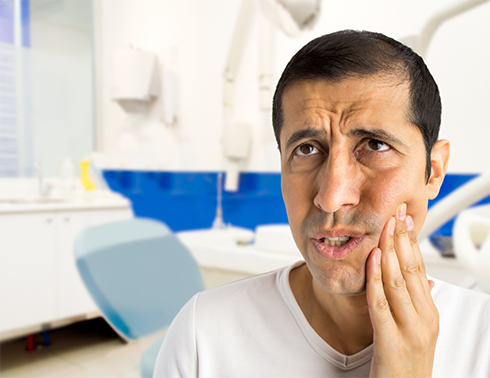
If you’re currently uninsured, don’t worry – there are other ways to make covering the cost of urgent dental care more affordable. First, we offer an in-house dental plan. Not only does this make essential preventive care more affordable, but it provides you with significant discounts on other services as well. Otherwise, you can opt for flexible financing, which allows you to space out your payments into budget-friendly chunks.
Taking Care of Your Smile Can Save You Money
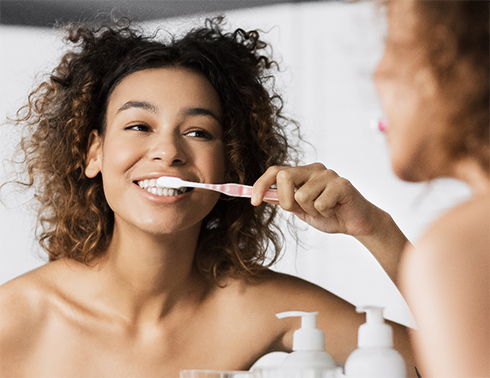
No cost-related list would be complete without discussing the importance of preventive care. After all, a solid at-home oral hygiene routine combined with biannual checkups and cleanings can significantly reduce your chances of visiting our emergency dentist in Midland at the last minute. So, make sure to implement the following best practices:
- Brush twice a day
- Floss and rinse with mouthwash daily
- Visit your dentist every six months for a checkup and cleaning (or sooner if you begin to experience any abnormal symptoms, like a toothache)
- Quit unhealthy dental habits, like chewing on ice
- Drink plenty of water
- Limit your sugar intake
Keys to Preventing Dental Emergencies
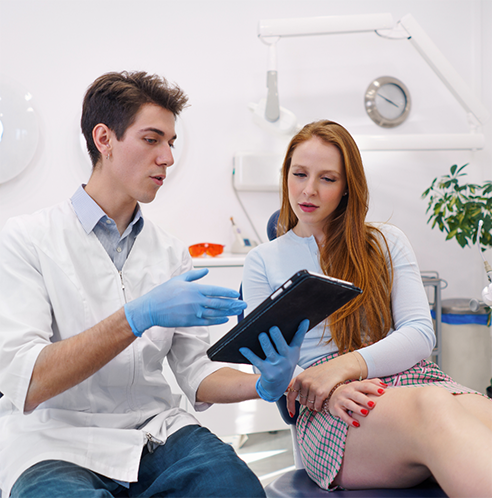
Life is often unpredictable. We understand that even with the best of intentions and careful care, dental injuries and other issues can come up unexpectedly. We’re certainly here to help! However, while not all dental emergencies are entirely preventable, there are a few ways you can better protect your teeth and gums. We encourage safe practices that can minimize your risk of experiencing dental emergencies and can help you prevent these unfortunate situations.
Visit Your Dentist Regularly
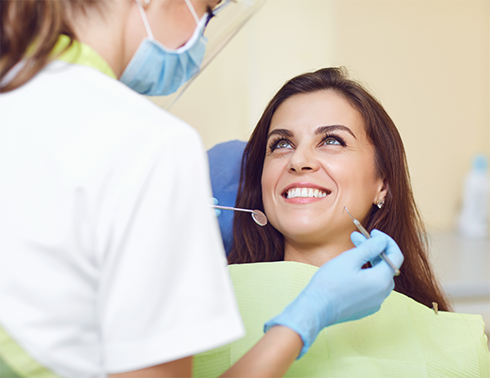
Keep your regularly scheduled dental checkups and cleanings at our Midland dental office. You will need to see us every six months to ensure no problems are developing and catch any issues while they are still early in development. As a result, we can treat problems before they cause you significant pain or damage. Plus, at this appointment, we will remove plaque and tartar build-up from around your teeth and gums, stopping future cavities and other issues.
Maintain Good Oral Hygiene at Home

You need to keep a good oral hygiene routine by brushing twice a day for a full two minutes using fluoride toothpaste. This may seem like a long time, but it is necessary to reach most of the surfaces of your teeth. You also must floss at least once a day because brushing misses the important spaces between your teeth. Maintaining this daily routine will ensure decay and bacteria are effectively removed from your smile.
Stick to a Nutritious Diet

Avoid consuming too much sugar or starch, and stick to more nutrient-rich, healthy foods. Sugars and starches can cause bacteria to produce acids that lead to tooth decay and gum disease over time. Limiting how much you eat of these substances reduces the impact bacteria can have. Healthy foods you should have often include leafy greens, fibrous vegetables like carrots, and calcium-rich dairy products. Don’t forget to drink plenty of water throughout the day!
Wear a Mouthguard
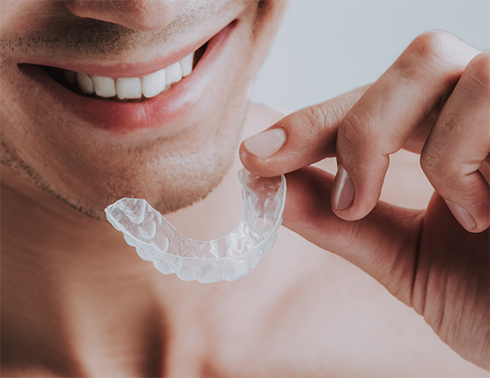
Talk to your dentist about an oral appliance to wear at night if you are prone to teeth grinding (bruxism). This will protect your teeth and prevent excessive wear and tear as well as potential jaw pain. If you play sports, particularly those that involve a lot of contact, consider wearing a mouthguard to absorb potential hits to the face that would otherwise cause injuries.
Use Tools to Open Packages, Not Your Teeth

Never use your teeth as tools. Instead, opt for scissors or another appropriate tool to open packages and containers. Your teeth were not designed to handle plastic and other materials, so they can become damaged if you misuse them. Take a little bit of extra time to locate the tool you need and spare your smile from unnecessary pain and injury.
Dental Emergency FAQs
Does Keeping a Knocked-Out Tooth in Milk Really Help?
Yes, it does. When a tooth gets knocked out completely, it’s important to act quickly to improve your chances of successful re-implantation. If you are unable to reposition the tooth on your own, you need to make sure the root stays moist and uncontaminated. You can store the tooth between your cheek and gums, or you can submerge it in a container of milk. This liquid has proteins that maintain a safe acid-to-alkaline ratio and sugars that help cells to continue growing. These can temporarily keep the tooth viable until you get to our dental office for emergency treatment.
Should I Go to the ER When I Have a Dental Emergency?
Most of the time, when you experience a dental emergency, your first phone call should be to our Midland dental office. We’ll do everything we can to see you as soon as possible in our schedule. Although an emergency room is open 24 hours a day 7 days a week, medical doctors are often not equipped or trained to handle dental problems as efficiently as our dentist and team are. As a result, you may be waiting for hours, only to be referred elsewhere for treatment, wasting precious time and money. On the other hand, there are situations where a visit to the ER is the best course of action. If, for example, you have a broken jawbone or bleeding that lasts longer than 10 minutes, you should definitely head to the ER before seeking dental treatment.
How Much Will Treating My Dental Emergency Cost?
Each dental emergency is different. Even if two patients both experience a toothache, it could affect another tooth, or one patient may have more severe decay than the other. As a result, the treatment and the cost will vary on a case-by-case basis. When you come into our Midland dental office, our team can provide a quote for the treatment we recommend and work with you to make your dental costs fit within your budget.
What if My Toothache Goes Away?
Some people choose to ignore a toothache in the hopes that it will go away on its own. In some cases, the pain does vanish after a while. However, you should not view the sudden disappearance of dental pain as a good thing. Remember, teeth are not capable of healing themselves when they face significant damage. When a toothache suddenly goes away, it may simply mean that the nerve inside the tooth has died, but a dangerous infection could still be present. Seeking professional care before a toothache reaches this point is the wisest course of action for both your oral and overall health.
Is a Dental Emergency Likely to Happen to Me?
No one can predict all dental emergencies. After all, some can result from accidents or unforeseen injuries. However, several activities come with a higher risk of harming your smile than others. For instance, skateboarding or roller skating, ice skating, and other activities often involve quite a bit of falling, particularly at first. Of course, contact sports can be dangerous for an unprotected smile, but even sports that typically shouldn’t have much contact like basketball or soccer can result in someone getting a dental injury. Try to anticipate a potentially risky activity and safeguard your smile.
Does a Dental Emergency Have to Hurt to Be Urgent?
Although pain often precedes emergency dental visits, you do not need to be in pain to come in and have your mouth inspected or treated for an urgent problem. In fact, if you let your toothache go too long, the pain may “go away.” However, this false sense of security comes only because the tooth nerve has died; the tooth still needs to be removed or treated to preserve your others. You don’t have to suffer—your emergency dentist in Midland will do everything he can to relieve your discomfort and identify the treatment that can deliver you from unnecessary pain.
Should I Have a Dental Emergency Kit?
Yes! Whether you keep it in your car or at home, having emergency supplies for a dental emergency put together in a kit is a great idea to be prepared for the unknown. Although nothing will replace professional help, these supplies can get you through until you arrive for relief at your dentist’s office. Some items in this kit should be gloves, floss, a dental mirror, pain reliever, gauze, dental wax, and our contact information. Whether you, a family member, or even a complete stranger faces a dental emergency, you can be ready to help and make the situation easier to deal with until our team can resolve the problem.
Will a Chipped or Broken Tooth Heal Itself?
Unlike skin or soft tissue that can repair itself and close wounds, enamel does not regrow or restore itself over time. Once a tooth becomes chipped or broken, it will continue to be in that condition until restorations are put on these teeth. As an added risk, once the interior layers of a tooth have become exposed to air, bacteria can infect these more vulnerable areas and lead to more pain, more damage, and a higher cost to repair what occurred.